Why I Wanted To Be Part of The Wake – A Blog by Janessa Murray
When I first heard about The Wake, I was immediately drawn to what the project stands for. It is a powerful memorial honouring the millions of Africans who were enslaved and trafficked during the Transatlantic Trafficking of Enslaved Africans (TTEA) and their descendants. For me, that felt important not only because of the history itself, but because of the conversations the project is trying to create today.
History can sometimes feel distant when it is only taught through facts, dates and statistics. What interests me about The Wake Youth Engagement Pilot is that it creates space for people, especially young people, to connect with history in a more personal and meaningful way. It is not just about looking back at the past, but understanding how that history still shapes identity, culture and society now.
As a young Black woman from the borough, I feel a personal connection to projects that centre stories, voices and histories that have often been overlooked or misunderstood. I think there is something powerful about creating spaces where people can reflect honestly on difficult histories while also recognising resilience, survival and community. That is one of the reasons I wanted to be involved in this project.
Another thing that stood out to me about The Wake and its Youth Engagement Pilot was its youth-led approach. Young people are often spoken about rather than spoken with, especially when it comes to conversations about history, race and social change. I like that this project gives young people the opportunity to shape ideas, contribute creatively and be part of discussions in a real and meaningful way.
For me, creativity has always been one of the strongest ways to connect people and start conversations. While studying Applied Theatre at The BRIT School, I worked on a project focused on systemic racism. That experience taught me how creativity can encourage people to reflect, ask questions and engage emotionally with subjects that are often difficult to talk about. It showed me that creative work is not only about performance or entertainment, but also about communication, understanding and creating change.
That is why I connect so strongly with the ideas behind The Wake. The project is not simply presenting history in a traditional way. It is creating opportunities for dialogue, storytelling and creative learning. I think that is especially important for younger generations, because people engage more deeply when they feel emotionally connected to what they are learning.
I am also excited by the opportunity to develop new skills through the programme. Areas like communication, research, advocacy and project planning are all things that can help young people grow in confidence and feel empowered to contribute to their communities. I think learning these skills in a space connected to culture, heritage and social awareness makes the experience even more meaningful.
The focus on cultural visits and creative learning is another part of the project that interests me. I think there is something valuable about learning outside of traditional environments and being able to experience history, art and culture in ways that feel interactive and engaging. Those experiences can stay with people far longer than simply reading information from a textbook.
A lot of my perspective on creativity and inclusion also comes from my experience as a young carer for my sister, who has autism. Supporting her taught me from an early age that people connect with information differently and that communication is not one-size-fits-all. I often found creative ways to help her learn and express herself, which made me realise how important accessibility and adaptability are in any kind of learning environment.
That experience shaped the way I see projects like The Wake. I believe history and culture should feel accessible to everyone, regardless of their background or learning style. Creativity can help make those conversations feel open, engaging and inclusive rather than intimidating or disconnected.
I have also learned a lot through being part of the Making It Happen Grant Maker Panel, where I worked with others to support projects that could positively impact the local community. That experience showed me how important collaboration is and how much can happen when people come together with shared goals and different perspectives. In many ways, The Wake feels connected to that same idea of community, participation and creating opportunities for unheard voices to be valued.
What inspires me most about this project is that it feels forward-thinking. It honours history while also asking important questions about how we engage with it today and how younger generations can carry those conversations forward. It recognises that remembrance is not passive. It requires participation, reflection and willingness to learn from one another.
For me, being part of The Wake is about contributing to something meaningful. It is about learning, connecting with others and being part of conversations that matter. Most importantly, it is about ensuring that stories connected to the Transatlantic Trafficking of Enslaved Africans are remembered with honesty, care and humanity, while creating space for young people to help shape what that remembrance looks like for the future.
About the Author
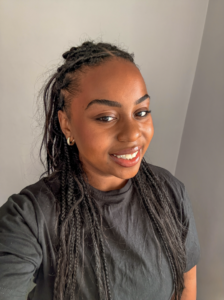 Janessa Murray is a multidisciplinary creative whose work spans facilitation, performance development and community-led creative projects. After studying at The BRIT School, she has gone on to contribute to a wide range of artistic and cultural initiatives, bringing people together through collaboration, conversation and creativity.
Her experience includes serving on grant funding panels, assisting comedy labs at Soho Theatre, and working as a freelance facilitator across diverse creative spaces. Passionate about nurturing ideas and supporting emerging voices, Janessa’s work is rooted in connection, curiosity and creating opportunities for others to thrive.